
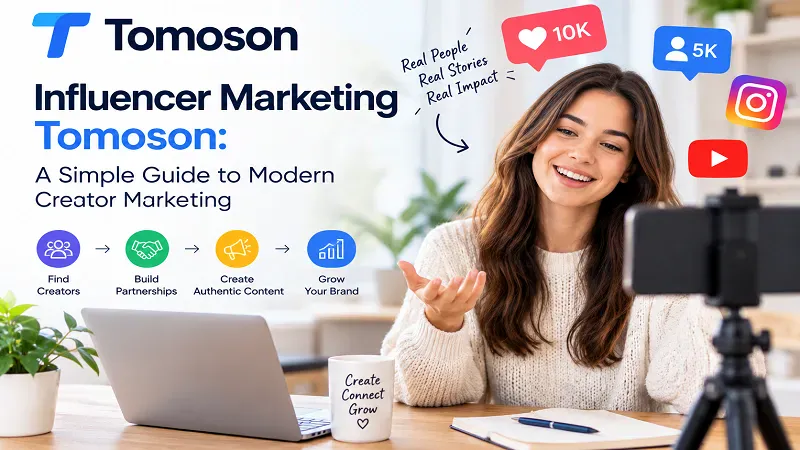
Influencer marketing has become an important part of modern digital promotion. Instead of depending only on traditional advertisements, brands can work with creators who already have an audience interested in a particular topic. These creators can introduce products, services, and ideas in a natural way through social media content, videos, blogs, reviews, and other formats.
The concept of influencer marketing tomoson can be understood as a combination of influencer-based promotion and tools designed to make creator campaigns easier to organize. The main idea is to connect brands with suitable influencers and create campaigns that benefit both sides. For businesses, this approach can provide access to targeted audiences. For influencers, it can create opportunities to work with brands and produce useful content for their followers.
As online audiences become more selective about advertising, authentic creator content can play an important role in building awareness. However, successful campaigns require planning, clear communication, suitable creators, and realistic goals.
What Is Influencer Marketing?
Influencer marketing is a form of digital marketing in which a person with an established online audience promotes or discusses a product, service, or brand. Influencers may operate on platforms such as Instagram, YouTube, TikTok, blogs, podcasts, and other social networks.
An influencer does not necessarily need millions of followers. A smaller creator can sometimes have a highly focused audience with strong interest in a particular subject. For example, a food creator may have an audience interested in recipes and cooking products, while a technology creator may focus on gadgets, software, and digital tools.
The value of influencer marketing comes from relevance, trust, and communication. Followers often choose creators because they enjoy their content or find their opinions useful. When a promotion fits naturally into that content, it can feel more relevant than a traditional advertisement.
How Influencer Marketing Tomoson Works
The basic process behind influencer marketing tomoson involves bringing brands and creators together around a campaign. A brand first identifies what it wants to achieve. The goal could be increasing product awareness, generating content, reaching a specific audience, or encouraging people to learn more about an offer.
The next step is finding influencers who match the campaign. Important factors include the creator’s topic, audience, content quality, engagement, location, and previous brand collaborations. A good match is generally more useful than simply choosing someone with a large follower count.
After selecting creators, the brand and influencer discuss campaign requirements. These may include the type of content, publishing schedule, product information, compensation, disclosure requirements, and other expectations. Once the campaign is completed, the brand can review its results and learn what worked.
Why Brands Use Influencer Marketing
Brands use influencer marketing for several reasons. One major reason is audience targeting. Traditional advertising can reach a large number of people, but not everyone in that audience will be interested in the product. Influencer campaigns can focus on communities built around specific interests.
Another benefit is content creation. A creator can develop photos, short videos, reviews, tutorials, demonstrations, or other content around a product. This gives a brand material that may communicate product features in a more relatable format.
Influencer marketing tomoson also reflects the growing importance of creator relationships in digital campaigns. Instead of treating promotion as a single advertisement, businesses can develop ongoing relationships with relevant creators. Long-term partnerships may help creators understand a product better and produce more consistent content.
Choosing the Right Influencer
Selecting the right influencer is one of the most important parts of a campaign. Follower count should not be the only factor. A creator with a smaller but highly engaged audience may be more relevant than a large account whose followers have little connection with the product.
Brands should examine the influencer’s content before starting a partnership. The content should be professional enough for the campaign while still matching the creator’s normal style. The audience should also be relevant to the product.
Engagement is another useful consideration. Likes, comments, shares, views, and other interactions can provide information about how an audience responds to a creator. These numbers should be considered alongside content quality and audience relevance rather than viewed in isolation.
The Role of Authentic Content
Authenticity is an important element of modern influencer campaigns. Audiences can often recognize when content feels forced or unrelated to a creator’s usual interests. For this reason, brands should give creators clear information without unnecessarily controlling every part of the message.
A creator who understands the product can explain it using their own communication style. This can make the content easier for the audience to understand.
The goal of influencer marketing tomoson is not simply to place a product in front of people. Effective campaigns focus on creating useful and relevant communication between a creator, a brand, and an audience.
Setting Clear Campaign Goals
Every influencer campaign should begin with a clear goal. Without a specific objective, it becomes difficult to determine whether the campaign produced useful results.
A brand may want to increase awareness, attract website visitors, generate social engagement, collect user-generated content, or support a product launch. Each goal may require a different type of creator and content.
For example, an awareness campaign may focus on video views and audience reach. A campaign designed to generate sales may pay greater attention to clicks, conversions, or tracked purchases. Setting the goal first helps businesses choose appropriate measurements later.
Creating a Strong Campaign Brief
A campaign brief provides creators with the information they need. A simple brief can explain the product, campaign objective, key messages, required content format, deadlines, and important restrictions.
A good brief should be clear without making the creator’s content sound unnatural. Influencers understand their audiences and usually know what presentation style works for them.
Influencer marketing tomoson can be associated with a structured campaign process in which expectations are established before content is produced. Clear instructions can reduce misunderstandings and help both brands and creators work efficiently.
Measuring Influencer Campaign Performance
Measurement is necessary for understanding campaign performance. Different campaigns require different metrics, so businesses should choose measurements that match their original objectives.
Reach and impressions can show how many people were exposed to the content. Engagement metrics can indicate how audiences interacted with it. Clicks can help measure interest, while conversions can provide information about specific actions such as purchases or registrations.
Businesses can also evaluate the quality of the content itself. A campaign may produce useful photos or videos that continue to provide value after the original promotion ends.
Benefits for Influencers
Influencer marketing is not only useful for brands. Creators can also benefit from professional partnerships. Collaborating with businesses can provide income, products, networking opportunities, and new content ideas.
For creators, choosing suitable partnerships is important. Promoting every available product can make a profile feel less authentic. Instead, creators can focus on campaigns that fit their audience and personal content style.
A strong creator-brand relationship can develop over time when both sides communicate clearly and respect agreed expectations.
Common Mistakes to Avoid
One common mistake is choosing an influencer only because they have many followers. Large numbers do not automatically mean that the creator is suitable for a particular campaign.
Another mistake is providing unclear instructions. If creators do not understand the campaign objective, deadlines, or required information, the final content may not meet expectations.
Ignoring audience quality can also create problems. Brands should consider whether an influencer’s audience is relevant and genuinely engaged.
Finally, businesses should avoid expecting immediate results from every campaign. Influencer marketing often works as part of a broader digital strategy. Awareness and trust may develop over time.
Building Long-Term Creator Relationships
One successful campaign can become the beginning of a longer partnership. When a creator produces relevant content and communicates professionally, a brand may decide to work with that creator again.
Long-term relationships can reduce the need to repeatedly search for new influencers. The creator already understands the product, brand expectations, and target audience.
Influencer marketing tomoson can therefore be viewed as part of a broader relationship-based approach to digital marketing. The strongest campaigns often focus on consistency and mutual value rather than treating each collaboration as an isolated transaction.
The Future of Influencer Marketing
Influencer marketing continues to develop as social media platforms and content formats change. Short-form video, live content, podcasts, blogs, and other formats give creators different ways to communicate with audiences.
Artificial intelligence and improved analytics may also influence campaign planning. Brands can increasingly use data to identify relevant audiences, evaluate content performance, and improve campaign decisions.
At the same time, the human element remains important. People follow creators because of their personalities, experiences, knowledge, and communication styles. Technology can support campaign management, but authentic communication remains central to creator marketing.
Final Thoughts on Influencer Marketing Tomoson
Influencer marketing tomoson represents an approach to digital promotion centered on connecting brands with creators and their audiences. When planned carefully, influencer campaigns can support awareness, engagement, content creation, and other marketing objectives.
Success depends on more than follower numbers. Brands need suitable creators, clear goals, useful campaign briefs, authentic content, transparent communication, and appropriate performance measurements. Influencers also need to choose partnerships that fit their audiences and maintain credibility.
As digital audiences continue to spend time with creators, influencer marketing is likely to remain an important part of online communication. A thoughtful campaign can create value for brands, creators, and audiences when all three are considered from the beginning.